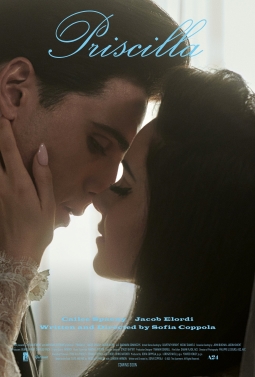
The Priscilla Movie: Unpacking the Memoir & Elvis's Grooming Past
Sofia Coppola's latest cinematic offering, the
Priscilla Movie, delves into the enigmatic life of Priscilla Presley, offering a deeply personal and often unsettling look at her formative years alongside the King of Rock and Roll. Based on Priscilla Presley's revealing 1985 memoir, _Elvis and Me_, the film navigates the complexities of love, isolation, and power dynamics, ultimately inviting viewers to reconsider a legendary romance through a contemporary lens. From its premiere at the Venice International Film Festival to its wide release, the Priscilla Movie has sparked vital conversations, particularly concerning the ethical implications of Elvis Presley's courtship of a much younger Priscilla.
Sofia Coppola's Signature Lens: A Gilded Cage and Isolated Dreams
Director Sofia Coppola is renowned for her distinct aesthetic and thematic preoccupations, consistently exploring narratives centered on female protagonists grappling with gilded cages, isolation, and a profound sense of otherness. The
Priscilla Movie is no exception, perfectly aligning with her directorial vision. Coppola masterfully frames Priscilla's experience as a poignant study in captivity—a beautiful, yet restrictive, existence shaped by the immense shadow of a superstar.
From the moment Priscilla Beaulieu, then a 14-year-old high school student, enters Elvis Presley’s orbit in Germany, her world begins to shrink and expand simultaneously. The film meticulously portrays her transition from a dreamy teenager, reading fan magazines in her modest room, to the singular focus of Elvis's affections. Once transported to Graceland, her confinement becomes more literal and symbolic. Coppola, in tight collaboration with cinematographer Philipe Le Sourd, crafts a visual language of stunning yet often static surfaces. We see Priscilla (portrayed with captivating nuance by
Cailee Spaeny, who earned a Volpi Cup and Golden Globe nomination for her performance) reclining in opulent living rooms and dens, often alone, unsure of how to fill her days. The opulence of Graceland, far from offering freedom, becomes a gilded prison, a testament to Coppola's recurring motif of women navigating immense wealth that paradoxically limits their autonomy and personal growth. The instruction not to be seen too much on the lawn, the long stretches of Elvis's absence while he filmed in Hollywood – these details paint a vivid picture of a young woman's isolation within her extraordinary circumstances.
The Memoir's Heart: Giving Voice to Priscilla's Perspective
At the core of the
Priscilla Movie is Priscilla Presley's own narrative, drawn directly from her 1985 memoir, _Elvis and Me_. This foundation is critical because it shifts the storytelling perspective from the well-trodden ground of Elvis's life and career to the often-overlooked experiences of the woman beside him. Priscilla herself serves as an executive producer on the film, underscoring its commitment to authenticity from her viewpoint.
The memoir provided Coppola with an intimate blueprint for exploring Priscilla's emotional landscape, her dreams, and her evolving understanding of her relationship with Elvis. It illuminates how, from Priscilla's initial dreamy perspective as an "Austin, Texas girl far from home," the attention of a shy, lonely superstar felt "exhilarating." The film succeeds in allowing audiences to witness the relationship through her eyes, acknowledging the complex mix of awe, infatuation, and genuine connection that characterized their early days. This empathetic approach is vital for understanding why a young girl might have been drawn into such a world, rather than imposing a purely judgmental retrospective analysis from the outset. By honoring the memoir, the film invites viewers to engage with the subjective truth of Priscilla’s experience, emphasizing her agency and vulnerability within an undeniably powerful dynamic.
Confronting the Past: Elvis, Priscilla, and the "Grooming" Discourse
Perhaps the most potent and challenging aspect of the
Priscilla Movie is its unflinching, yet sensitive, portrayal of the considerable age gap and power imbalance in the couple's relationship. When Elvis Presley, then 24 and serving in the U.S. Army in Germany, met Priscilla Beaulieu, she was just 14 years old. This stark age difference, particularly in a context where Elvis was a global icon and Priscilla a minor, has understandably ignited discussions about "grooming" in contemporary discourse.
The film does not shy away from the elements that fuel this condemnation. It depicts Elvis's undeniable pursuit of Priscilla, arranging for her to visit him, separating her from her family, and essentially taking on a guardian-like role that profoundly shaped her life choices. However, Coppola’s nuanced direction works to present this reality from Priscilla’s point of view at the time. We see Elvis, genuinely lonely after his mother's passing, seeking companionship. He tells the ninth-grader he's "lonesome for a girl to talk to." The early interactions are framed with an apparent innocence, showing both as "naïfs" in their own ways. Elvis, an aspiring artist, talks of studying at the Actor’s Studio and emulating Marlon Brando, sharing his dreams with a captivated Priscilla. She, in turn, dreams simply of being with him.
This dual perspective is crucial: the film allows the audience to witness the factors that made the attention of the world's biggest star intoxicating for a young, impressionable girl, while simultaneously presenting the facts that lead to valid questions about the appropriateness and ethical implications of the relationship when viewed through a modern lens. It's a delicate balance, refusing to excuse the power dynamics but determined to illuminate Priscilla’s internal experience.
Life at Graceland: Unfulfilled Intimacy and a Fading Dream
As the
Priscilla Movie progresses, the early enchantment of the relationship gives way to a more complex and often heartbreaking reality, particularly once Priscilla moves into Graceland. The film subtly illustrates how Priscilla's initial dream of an expansive life with Elvis slowly morphs into one of increasing isolation and unfulfilled desires. When Elvis leaves Memphis for Los Angeles to pursue his film career, often under the mismanagement of an unseen Colonel Tom Parker, he instructs his young bride to "keep the home fires burning." This directive encapsulates her role: a homemaker, a decorative presence, but often left alone with little purpose or companionship.
A particularly poignant and illuminating aspect of the film, drawn from the memoir, is Elvis's firm refusal to sleep with Priscilla despite her increasing requests for intimacy. This detail speaks volumes about the peculiar dynamics of their relationship and Priscilla's evolving emotional needs versus Elvis's control and complex personal struggles. It underscores the theme of captivity and the gilded cage, highlighting how even in the most iconic love stories, desires can go unmet, and individuals can feel deeply alone. The tackier decor that begins to appear in Graceland after her divorce from Elvis in 1973 subtly mirrors the breakdown of their once idealized, yet deeply flawed, romance. The film thus provides invaluable insight into the psychological toll of celebrity, isolation, and an imbalanced relationship, making it a compelling exploration of a legendary story from a perspective long overdue for a spotlight.
Conclusion
The
Priscilla Movie is more than just a biographical drama; it is a thoughtful and often unsettling excavation of a cultural phenomenon through the intimate lens of one woman's experience. Sofia Coppola’s direction, coupled with Cailee Spaeny’s evocative performance, successfully brings Priscilla Presley’s memoir to life, inviting viewers to empathize with a young girl caught in the orbit of an unparalleled star. By unflinchingly addressing the age gap and the power dynamics while faithfully depicting Priscilla's subjective reality, the film contributes significantly to contemporary conversations about relationships, consent, and the re-evaluation of historical figures. It is a powerful reminder that behind every legend lies a human story, often far more nuanced and complex than the public narrative suggests, urging us to look beyond the myth and understand the individual trapped within the gilded cage.